9 hr
Full-Day Albanian Heritage Tour from Saranda
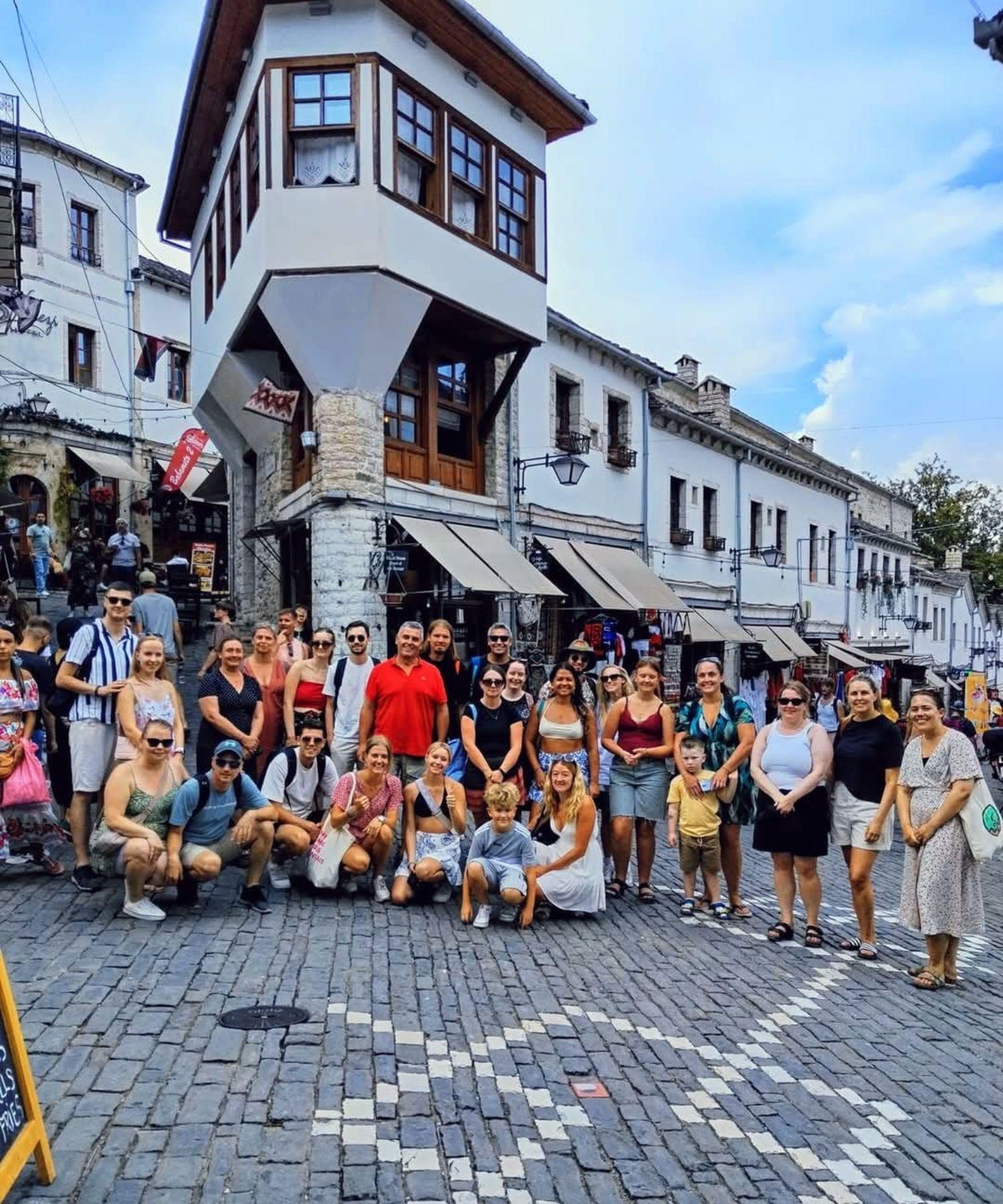
Discover six historic sites including Gjirokaster, Blue Eye spring, and Ottoman landmarks on this guided day trip
Reserve
Trek to Albania's turquoise glacial eye, carved deep in limestone shadow
Hand-picked by our editors — only the best 6 experiences from 18 reviewed.
Verified partners for Theth Blue Eye tours, free cancellation where available, and instant confirmation on every booking.
9 hr
Discover six historic sites including Gjirokaster, Blue Eye spring, and Ottoman landmarks on this guided day trip
Reserve
17 hr
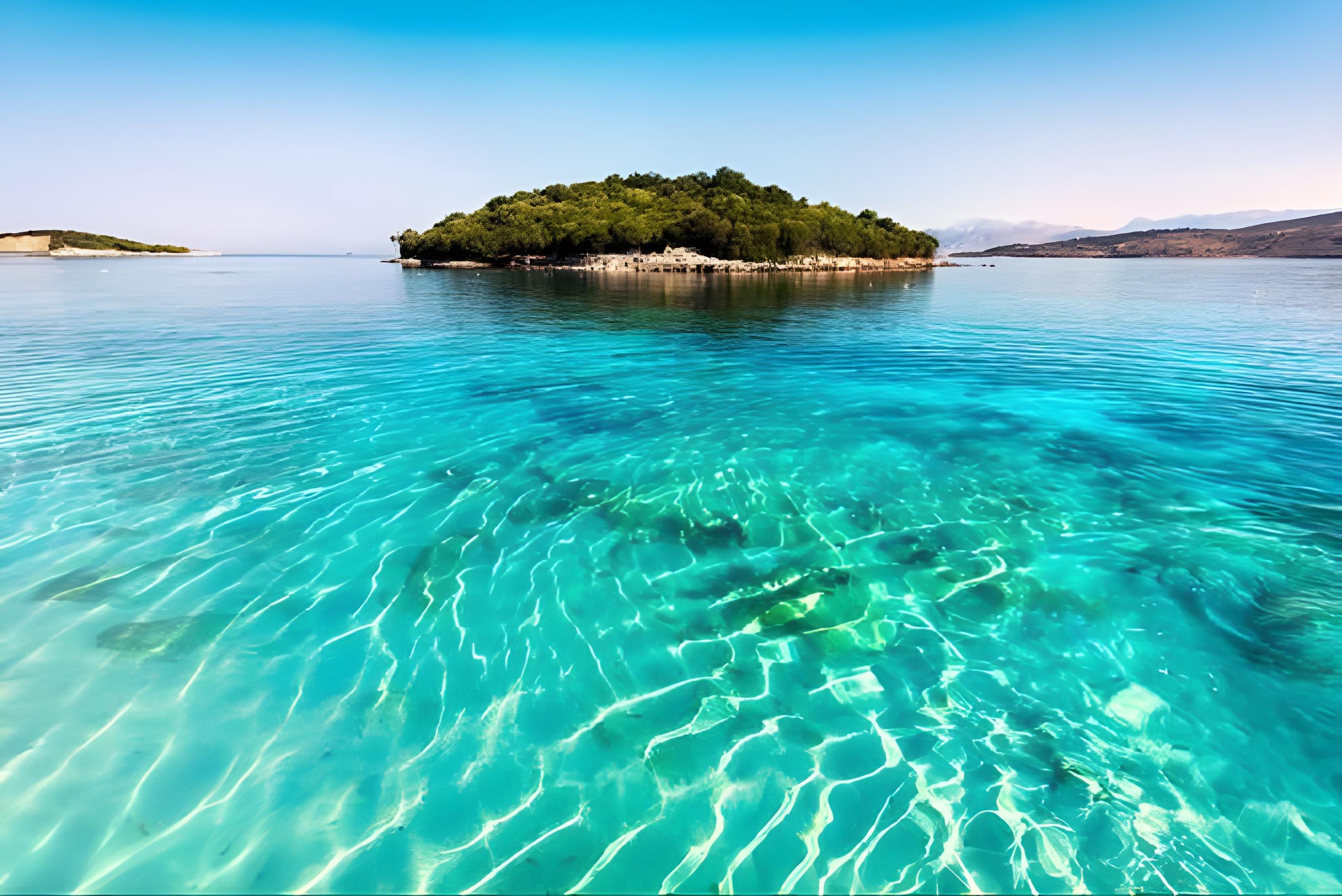
Journey through Albania's coast to turquoise beaches, remote islands, and a vivid blue spring
Reserve
4 hr
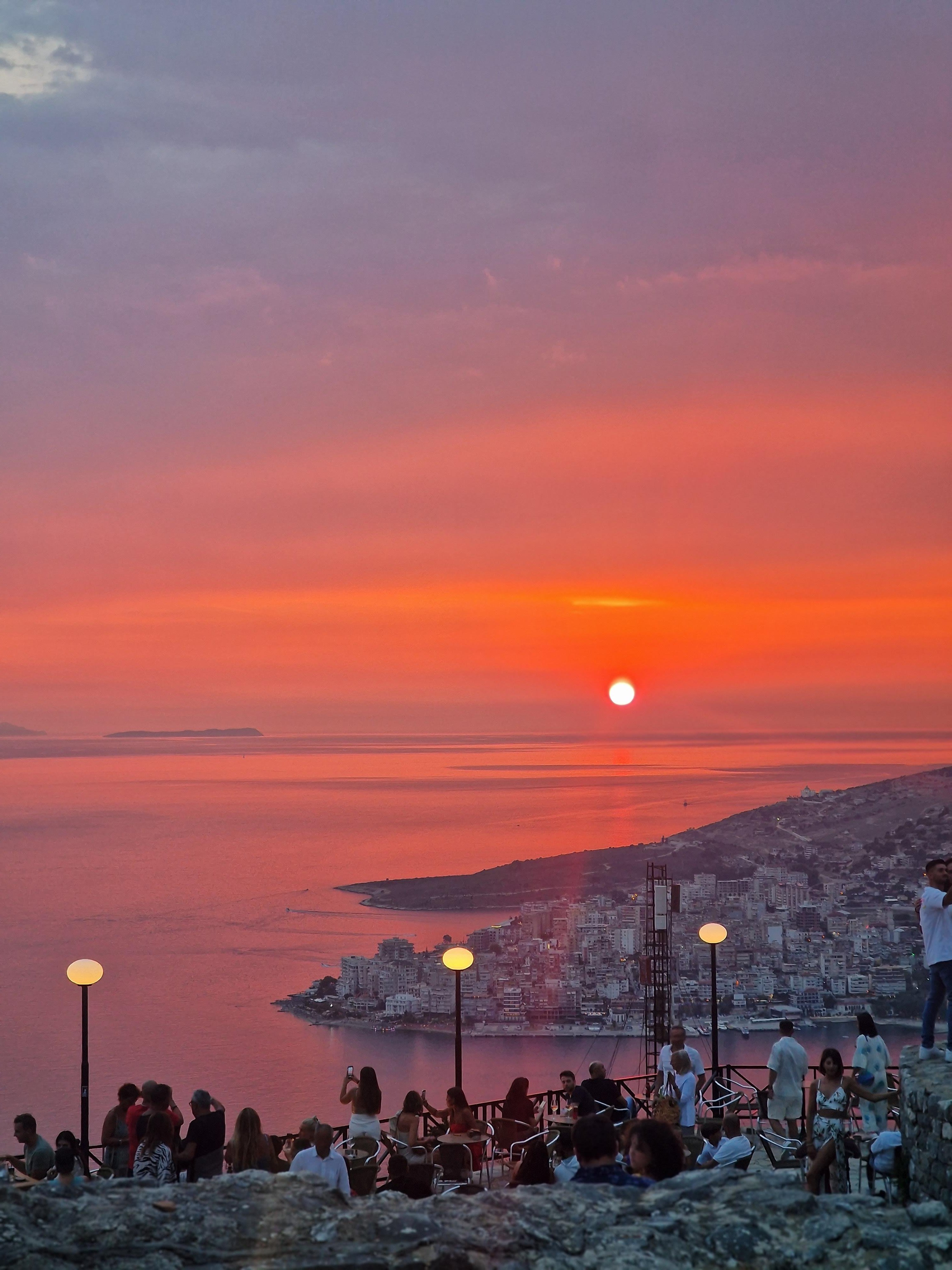
Half-day escape to Albania's stunning natural spring and hilltop castle for unforgettable sunset views
ReservePrices from verified partners. Availability updates in real time at checkout. Free cancellation policies apply where shown.
The landmarks, rooms, and views travelers on Theth Blue Eye tours remember — all visible on a single visit.
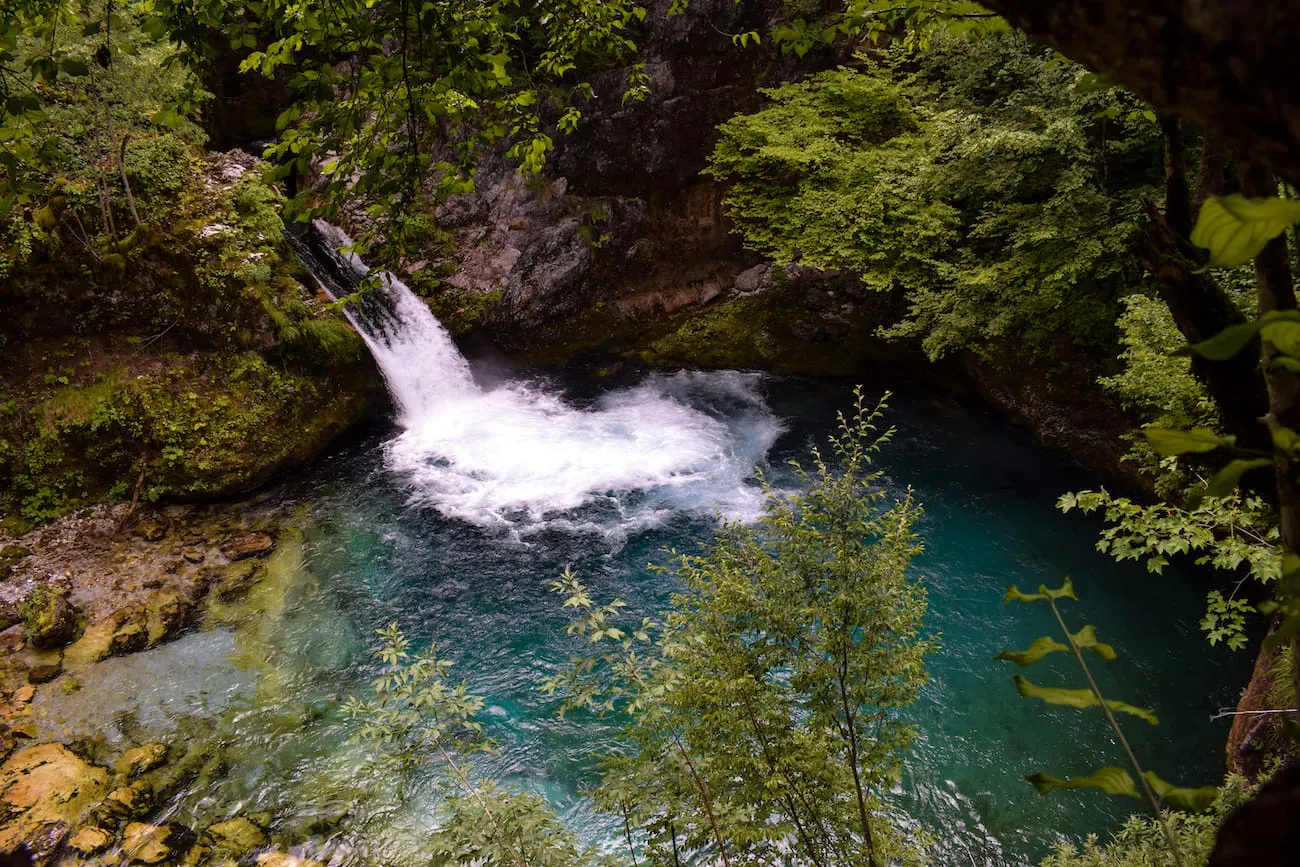
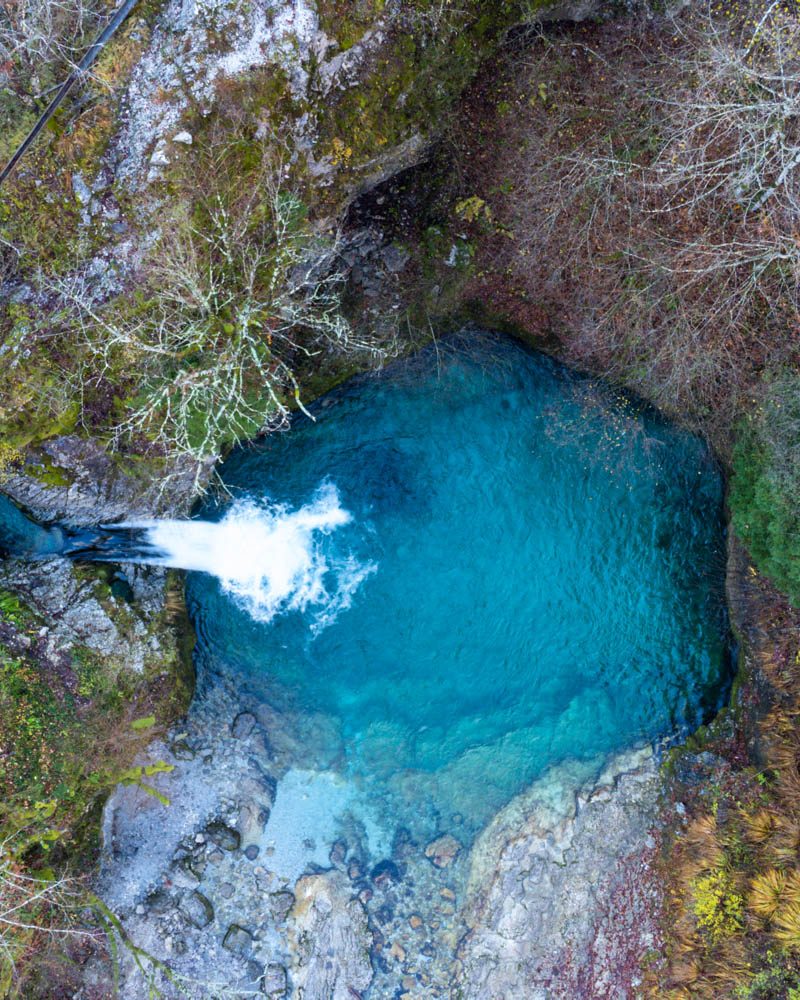
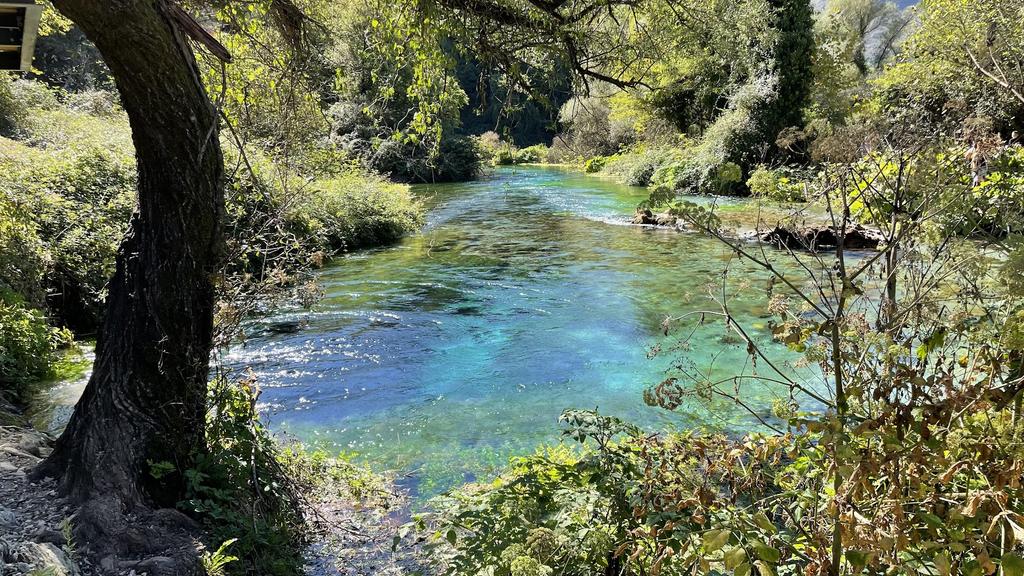
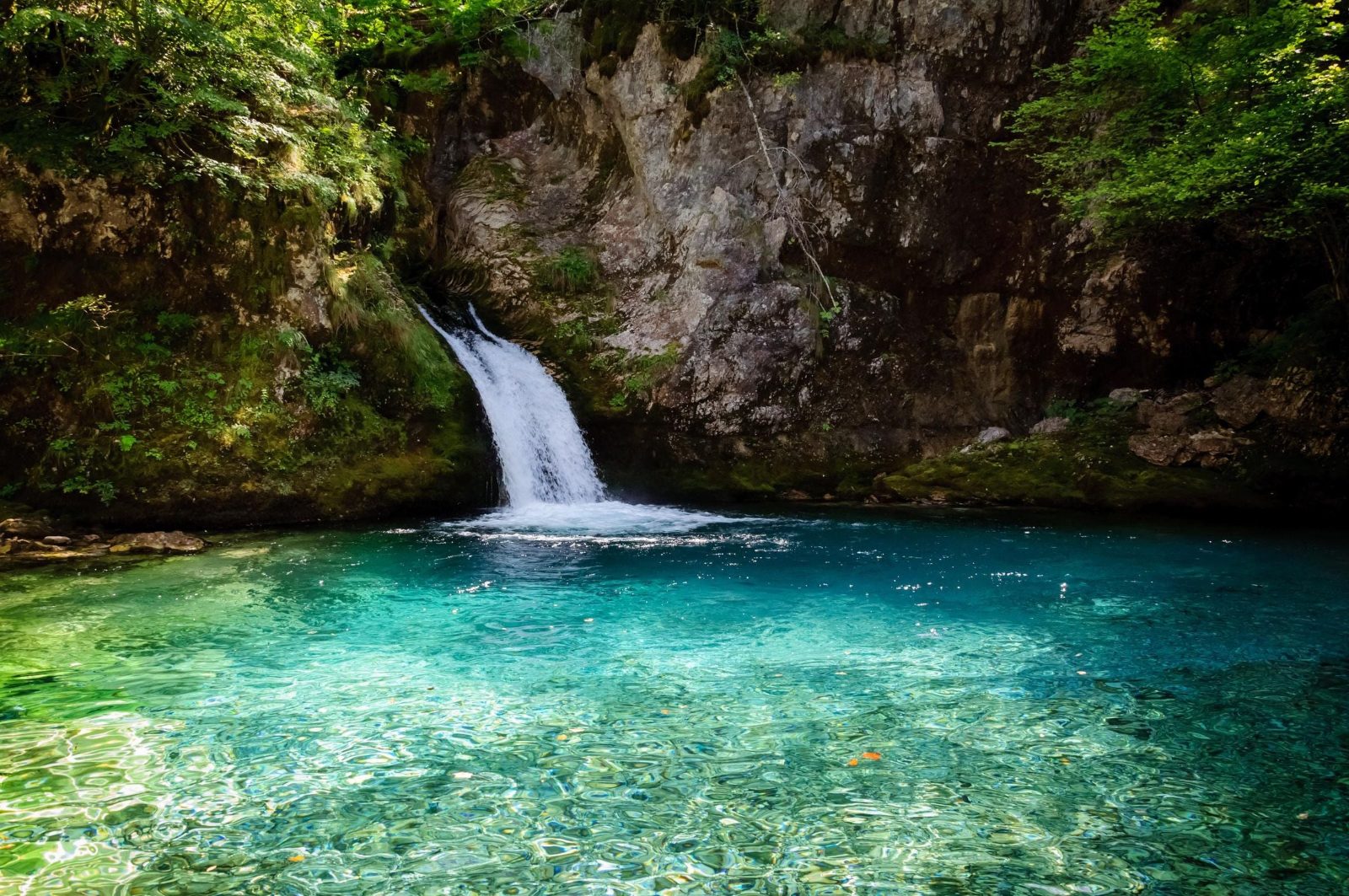
The primary natural spring pool known for its vivid turquoise, deep-water color.
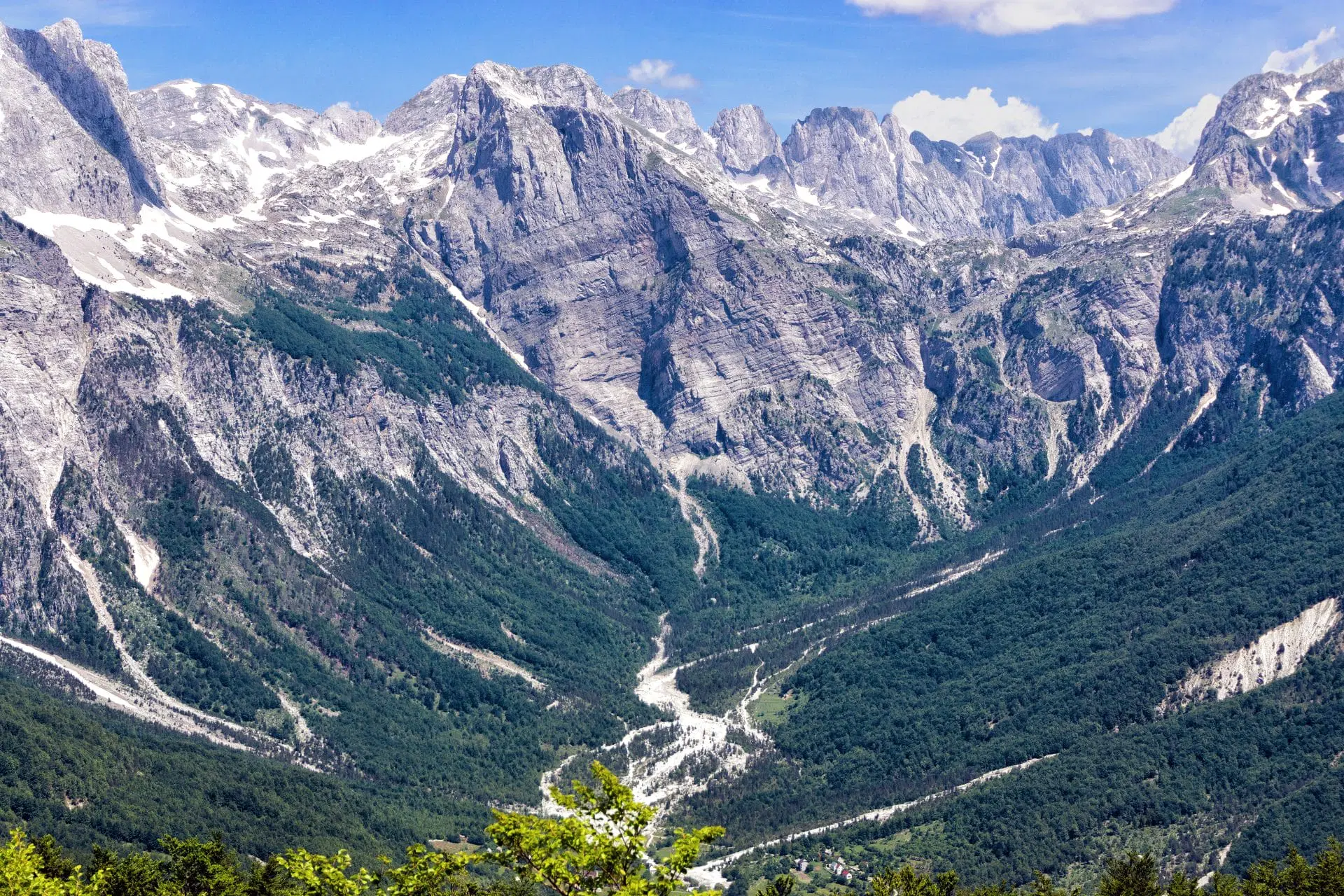
The steep limestone canyon walls that frame the spring, creating a natural amphitheater.
The main access point where the river meets the mountain trail for your theth blue eye tour.
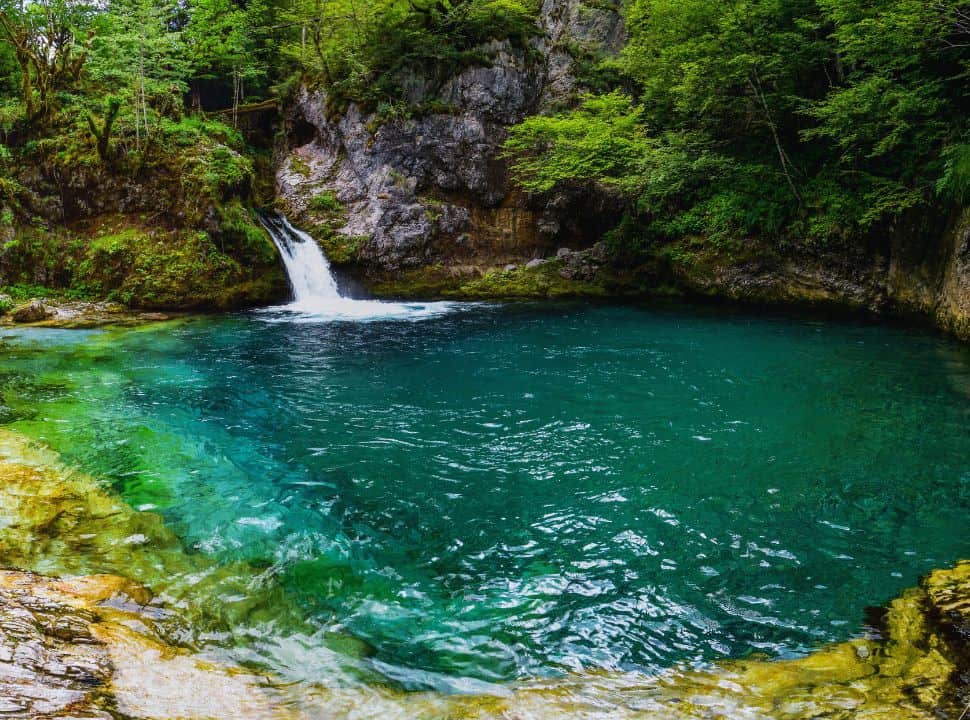
A picturesque waterfall that feeds into the blue spring, providing a constant water flow.
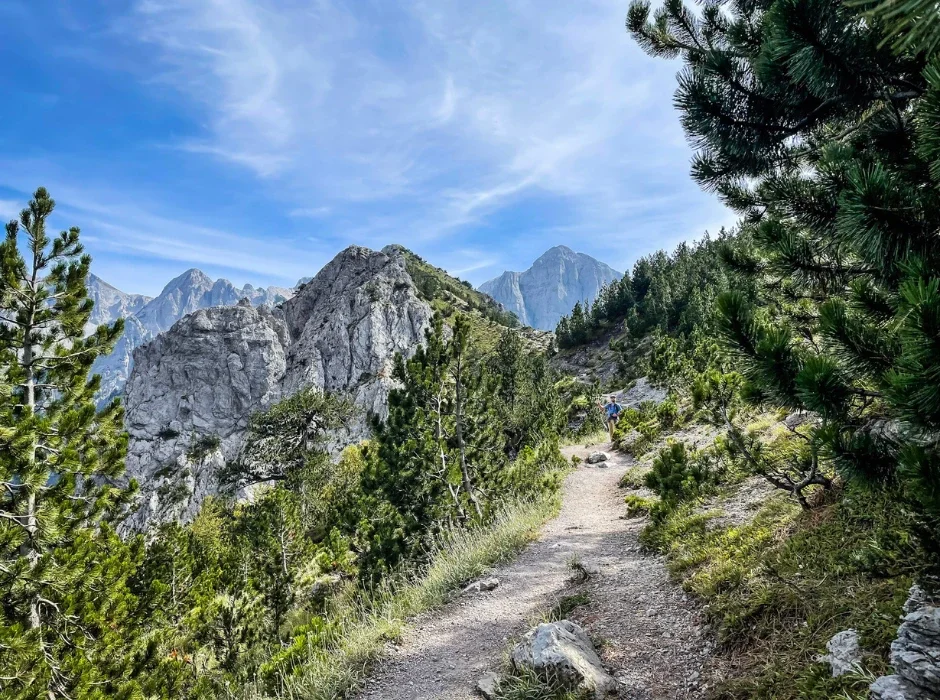
A scenic wooded trail that leads hikers through the heart of the national park.
Every Theth Blue Eye tour side-by-side — duration, what's included, how you redeem.
| Experience | Duration | Rating | Transfers | Guide | Small group | Free cancel. | Price | |
|---|---|---|---|---|---|---|---|---|
|
Guided Experience Most popular
Full-Day Albanian Heritage Tour from Saranda
|
9 hr | ★ 4.9 | ✓ | ✓ | ✓ | ✓ | €36 | Book → |
|
Guided Experience
Southern Albania Discovery: Saranda, Ksamil & Blue Eye
|
17 hr | ★ 4.7 | — | ✓ | ✓ | ✓ | €13 | Book → |
|
Standard Entry
Blue Eye Spring & Lekursi Castle Sunset Tour
|
4 hr | ★ 4.8 | ✓ | ✓ | ✓ | ✓ | €22 | Book → |
All prices from verified partners. Availability and exact terms confirmed at checkout.
The Blue Eye is the more physically demanding expedition, while the Grunas Waterfall offers a shorter, more accessible alternative for hikers in Theth National Park. Visitors often integrate the theth blue eye tour into their longer itinerary to experience the diverse karst landscapes of the Albanian Alps.
| Feature | Top pick Theth Blue Eye | Grunas Waterfall |
|---|---|---|
Difficulty |
High | Moderate |
Total Walking Time |
6–8 hours | 1.5–2 hours |
Trail Terrain |
Rocky mountain paths | Well-maintained forest trails |
Key Visual Feature |
Natural karst spring | Vertical rock cliff waterfall |
Crowd Density |
High in summer | Moderate |
Physical Exertion Level |
High | Low to moderate |
| See tickets → |
Verdict: Choose the Blue Eye for an immersive full-day wilderness trek, or opt for the Grunas waterfall hike if you prefer a shorter excursion that still provides excellent alpine scenery for your theth blue eye tour tour records or your collection of theth blue eye tour tickets.
Choose your ticket, select your date, and reserve in under two minutes. Secure checkout handled by our verified partner.
Instant confirmation by email, with a mobile voucher you can save offline. No printing, no queuing at a collection desk.
Arrive at the entrance, show your voucher on your phone, and walk in. Most tickets include priority or skip-the-line access.
Practical details for Theth Blue Eye tickets straight from our verified partners — hours, access, rules, and how to get there.
Kaprre, Theth National Park
Primary trailhead for the shorter hike
Open in Google MapsFollow the paved road from Shkodër to Theth, then continue to the Nderlysaj trailhead parking area.
Hire a local jeep from Theth village to reduce walking time to the spring.
Sturdy hiking boots or shoes with good grip are necessary for the uneven, rocky terrain. Dress in layers, as temperatures near the water remain significantly cooler than in the village.
Carry a daypack with essentials as there are no secure storage lockers available. Keep all valuables with you while on your theth blue eye tour.
The best lighting for capturing the turquoise hues occurs between 11:00 and 15:00. Theth blue eye tour photography is most rewarding from the wooden viewing platform.
The trail is not suitable for wheelchairs or strollers due to steep, narrow, and rocky sections. Some visitors may find sections of the path challenging if they have mobility concerns.
Mobile phones are permitted. Keep ringer off inside exhibition spaces.
Theth blue eye tour experiences are popular with active families, but the hike length requires older children or carriers for toddlers. Ensure children stay away from the steep river banks.
Local cafes are available near the trailhead and at the spring, offering drinks and snacks. We recommend bringing your own water, as the hike is physically demanding.
Pets are not allowed, with the exception of service animals with appropriate documentation.
Last entry is typically 1 hour before closing. Check the specific ticket for timing.
Best time to go, insider tips, nearby landmarks, and the cancellation fine print — flip through to skim what matters to you.
How crowds, weather, and events shift across the year.
Ideal weather for reaching the spring, though trails are busiest between July and August.
Wildflowers bloom and snowmelt feeds the pool, providing spectacular natural water levels.
Fewer crowds and mild temperatures make this an excellent window for a theth blue eye tour.
Small details that turn a good visit into a great one.
Start your theth blue eye tour early to secure a peaceful spot at the water's edge.
Offline maps are essential as cellular service is intermittent or non-existent in the valley.
The water temperature is freezing year-round; test the cold before attempting a swim.
Theth National Park can experience rapid changes in conditions; monitor local forecasts.
Do not attempt the trail in flip-flops due to the sharp, jagged nature of the mountain path.
Non-bookable sights within a short walk — free to visit, easy to pair.
Impressive mountain cascade within the national park.
Historic 19th-century religious landmark in the valley.
Flexible, no hidden fees.
Cancellation policies depend on your specific operator for a theth blue eye tour. Please check with your provider for details regarding the 0 EUR (Free entry) gate policy.
Hand-picked options within walking distance — pick a district for vibe, or a specific hotel for convenience.
Variety of local guesthouses and alpine lodges.
The Syri i Kaltër — Blue Eye — sits at 1,960 meters in the karst folds of Theth National Park, a glacial spring so saturated with suspended calcium carbonate that its basin glows electric turquoise against walls of grey limestone.
Fed by snowmelt from the Accursed Mountains, the spring discharges 1,200 liters per second at a constant 6°C, carving a pool fifteen meters deep whose exact bottom has never been mapped. The vivid color results not from algae or mineral staining but from selective light absorption — red and yellow wavelengths scatter in the suspended particles while blue light reflects back, a phenomenon intensified by the depth and the shadowless overhang of the surrounding cliffs.
Local shepherds called it the Devil's Eye until the 1930s, when Italian geologists surveyed the Shala watershed and documented the spring as one of the Balkans' highest-elevation karst resurgences. The theth blue eye trail became a pack route for tobacco smugglers crossing into Montenegro, and the spring itself served as a landmark for guides navigating the unmarked passes. The basin's temperature, even in August, prevented livestock from drinking, so the site remained largely undisturbed until the opening of Theth National Park in 1966. A wooden footbridge was installed in 2008, replaced in 2015 with a steel span anchored to limestone bedrock.
The theth blue eye day trip now draws hikers seeking the intersection of alpine ecology and karst hydrology. The trail passes through stands of Bosnian pine and European beech, with wildflower meadows — saxifrage, edelweiss, alpine aster — visible from June through September. The spring's turquoise intensity peaks in early morning, before midday sun penetrates the narrow gorge and shifts the palette toward cerulean. Photography conditions favor overcast skies, which eliminate glare and deepen color saturation. The site remains undeveloped: no railing, no signage, no designated viewpoint. Visitors approach the basin's edge on moss-covered boulders, and the only infrastructure is the footbridge and a dirt clearing large enough for ten people. The lack of facilities has preserved the spring's visual clarity — no erosion scars, no litter, no trampled vegetation — and kept visitor numbers manageable even during peak summer weekends.

"The basin glows electric turquoise against walls of grey limestone, a glacial spring fed by snowmelt at a constant 6°C."
A step-by-step walkthrough of Theth Blue Eye tickets — what you'll see, how long each stage takes, and the details that matter.
You begin at Kaprre, the trailhead marked by a wooden post and a hand-painted arrow. The path climbs through beech forest, narrow and root-laced, gaining 200 meters over the first kilometer.
After twenty minutes you emerge onto a ridgeline meadow where the Accursed Mountains fill the western horizon — Maja Jezercë, the highest peak in the Dinaric Alps, still snow-capped in July. The trail descends here, switchbacking into a limestone gorge where the temperature drops five degrees and the air smells of wet stone.
You hear the spring before you see it: a low, constant rush of water echoing off the cliffs. The path narrows to single file, hugging the gorge wall, and then the basin opens below — fifteen meters of turquoise so vivid it looks backlit. You cross the steel footbridge and stand at the pool's edge, watching the surface roil where the underground current surges up. The water is so cold it numbs your hand in seconds. You frame the shot — limestone overhang, turquoise pool, the footbridge suspended above — and the mid-morning light cooperates, illuminating the basin without glare. The entire visit, from trailhead to return, spans three hours, and you pass fewer than a dozen other hikers on the descent.
Yes, entrance is 0 EUR (Free entry) for all visitors to the site.
A standard hike takes 3–4 hours if walking from the village, or 1 hour if starting from the local trailhead.
The hike is moderately difficult and involves rocky, uneven ground, so it may be challenging for those with limited mobility.
You should bring your own hiking essentials like water and sturdy boots for your theth blue eye tour.
No, there are no theth blue eye tour tickets required for entry to the natural spring.
We recommend the best arrival window of 07:00–10:00 to avoid crowds and get better lighting.
Yes, but be aware the water is ice-cold year-round; assess your comfort before entering.
No, vehicular access ends at the parking lot in Nderlysaj, requiring a hike the rest of the way.
Yes, small stalls and cafes are located along the trail near the theth blue eye tour destination.